
WADP Italian Branch
La WADP Italian Branch nasce e opera entro un legame lungo e saldo di affetto, stima e collaborazione con la German Academy for Psychoanalysis (DAP) di Berlino e con la Prof.ssa Maria Ammon, nel solco della tradizione della Psichiatria Dinamica fondata dal Prof. Günter Ammon. È da questa amicizia scientifica, coltivata negli anni, che il lavoro italiano in seno alla WADP prende forma e continuità.
La WADP Italian Branch è la rappresentanza italiana della World Association for Dynamic Psychiatry. Il suo compito non è soltanto istituzionale: è un lavoro di traduzione viva, portare la tradizione della Psichiatria Dinamica nel campo clinico, scientifico e formativo italiano, e portare la voce della psicoanalisi italiana nel dialogo internazionale della WADP.
La Branch opera come punto di riferimento nazionale per psicoterapeuti, psichiatri, psicologi, psicoanalisti, ricercatori e specializzandi interessati alla Psichiatria Dinamica: orienta la partecipazione italiana ai Congressi mondiali, promuove le Call for Papers, accompagna i giovani clinici verso le opportunità scientifiche internazionali.
The WADP Italian Branch was born, and continues to work, within a long and solid bond of affection, esteem and collaboration with the German Academy for Psychoanalysis (DAP) in Berlin and with Prof. Maria Ammon, in the tradition of Dynamic Psychiatry founded by Prof. Günter Ammon. It is from this scientific friendship, cultivated over the years, that the Italian work within the WADP takes form and continuity.
The WADP Italian Branch is the Italian representation of the World Association for Dynamic Psychiatry. Its role is not only institutional: it is a work of living translation, bringing the tradition of Dynamic Psychiatry into the Italian clinical, scientific and educational field, and bringing the voice of Italian psychoanalysis into the international dialogue of the WADP.
The Branch serves as a national point of reference for psychotherapists, psychiatrists, psychologists, psychoanalysts, researchers and trainees interested in Dynamic Psychiatry: it guides Italian participation in the world congresses, promotes the Calls for Papers, and accompanies younger clinicians towards international scientific opportunities.
Chairwoman
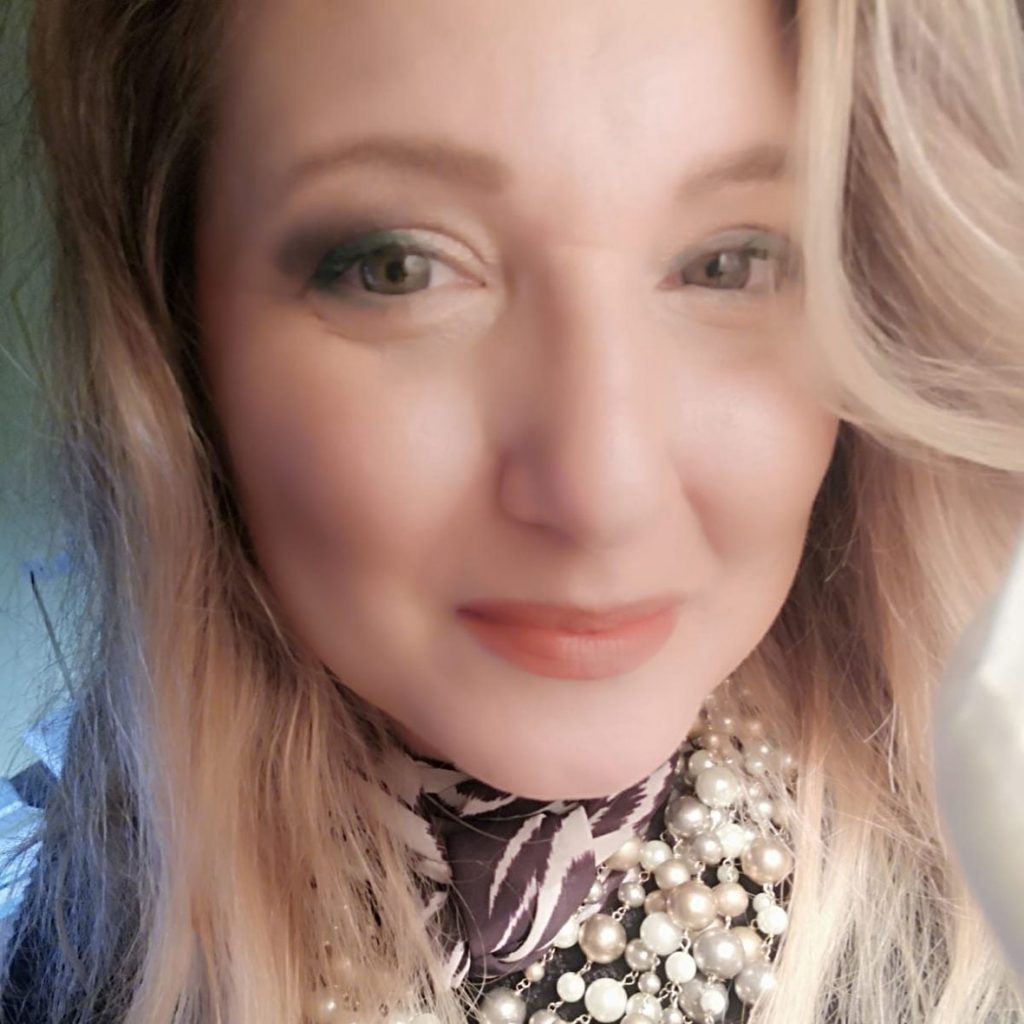
La Branch è presieduta dalla Dr.ssa Irene Battaglini, psicologa, psicoterapeuta e psicoanalista; Analista Supervisore Didatta; Direttore Accademico e Fondatore della Scuola di Psicoterapia Erich Fromm (Prato–Padova); Vice Presidente della International Foundation Erich Fromm; membro dell’International Scientific Committee del 21st WADP World Congress di Vienna 2027. È l’ideatrice del modello PIUE® (Psicoanalisi Interpersonale Umanistica Esistenziale) e del metodo formativo Deep Living Learning®.
La Branch opera in continuità con il lavoro storico svolto in seno alla WADP dal Prof. Ezio Benelli, che riveste un ruolo di rappresentanza onoraria quale Presidente della International Foundation Erich Fromm e di Uomo & Società Onlus, Co-Fondatore e Senior Analyst della Scuola di Psicoterapia Erich Fromm e tutor di tirocinio, già Presidente del Congresso mondiale WADP tenutosi a Firenze nel 2017.

The Branch is chaired by Dr. Irene Battaglini, psychologist, psychotherapist and psychoanalyst; Supervisor Training Analyst; Academic Director and Founder of the Scuola di Psicoterapia Erich Fromm (Prato and Padua); Vice-President of the International Foundation Erich Fromm; and member of the International Scientific Committee of the 21st WADP World Congress, Vienna 2027. She is the originator of the PIUE® model (Interpersonal Humanistic Existential Psychoanalysis) and of the Deep Living Learning® training method.
The Branch continues the long-standing work carried out within the WADP by Prof. Ezio Benelli, who holds a role of honorary representation as President of the International Foundation Erich Fromm and of Uomo & Società Onlus, Co-Founder and Senior Analyst of the Scuola di Psicoterapia Erich Fromm and traineeship tutor, and who served as President of the WADP World Congress held in Florence in 2017.
La rete istituzionale italiana | The Italian institutional network
La International Foundation Erich Fromm, www.ifefromm.it, fondata a Firenze in Palazzo Vecchio il 13 aprile 1985, è un’associazione scientifico-culturale e formativa a indirizzo multidisciplinare, senza fine di lucro, dedicata alla psicoanalisi umanistica di Erich Fromm. Dal 1986 promuove simposi internazionali e attività di formazione, prevenzione e ricerca in collaborazione con le istituzioni; dal 1988 pubblica la rivista Psicoanalisi Neofreudiana. È impegnata anche sul piano sociale attraverso il volontariato di Uomo & Società Onlus, ed è tra i co-sponsor del 21st WADP World Congress di Vienna 2027.
La Scuola di Psicoterapia Erich Fromm è una scuola di specializzazione post-lauream in psicoterapia psicoanalitica accreditata MUR, con sedi a Prato e Padova, fondata sul modello PIUE® e sul metodo Deep Living Learning®. In questo intreccio la Branch non è un ufficio: è un campo di lavoro comune tra clinica, ricerca e formazione.
The International Foundation Erich Fromm, established in Florence at Palazzo Vecchio on 13 April 1985, is a non-profit scientific, cultural and educational association of multidisciplinary orientation, devoted to the humanistic psychoanalysis of Erich Fromm. Since 1986 it has promoted international symposia and activities of training, prevention and research in cooperation with institutions; since 1988 it has published the journal Psicoanalisi Neofreudiana. It is also socially engaged through the voluntary work of Uomo & Società Onlus, and it is among the co-sponsors of the 21st WADP World Congress in Vienna 2027.
The Scuola di Psicoterapia Erich Fromm is a post-graduate school of psychoanalytic psychotherapy accredited by the Italian Ministry of University and Research (MUR), with campuses in Prato and Padua, grounded in the PIUE® model and the Deep Living Learning® method. Within this network the Branch is not an office: it is a shared field of work among clinical practice, research and training.
Verso Vienna 2027 | Towards Vienna 2027
In preparazione del 21st World Congress of WADP, «Identity: Person, Group, Society. Implications for Psychotherapy and Psychiatry» (Vienna, 22–26 marzo 2027), la Branch promuove la partecipazione italiana alla Call for Abstracts, diffonde le fellowship e le misure di sostegno formalmente annunciate dalla WADP, e organizza, d’intesa con WADP e DAP, il ciclo preparatorio italiano di incontri online «Waiting for Vienna 2027», dedicato al tema del Congresso e all’accompagnamento dei contributi scientifici italiani.
In preparation for the 21st World Congress of WADP, “Identity: Person, Group, Society. Implications for Psychotherapy and Psychiatry” (Vienna, 22–26 March 2027), the Branch promotes Italian participation in the Call for Abstracts, disseminates the fellowships and support measures formally announced by the WADP, and organises, in agreement with WADP and DAP, the Italian preparatory cycle of online meetings “Waiting for Vienna 2027”, dedicated to the Congress theme and to accompanying Italian scientific contributions.
www.scuoladipsicoterapiaerichfromm.it/vienna-2027-congresso-internazionale-wadp
Appendice
Teorie, modelli, insegnamenti e metodi della Scuola di Psicoterapia Erich Fromm | Theories, models, teachings and methods of the Scuola di Psicoterapia Erich Fromm
L’eredità di Erich Fromm. La Scuola trae nome e ispirazione dalla psicoanalisi umanistica di Erich Fromm. Da Fromm proviene una concezione dell’essere umano come soggetto storico e relazionale, la cui sofferenza non è mai separabile dalle condizioni sociali, economiche e culturali in cui prende forma. Categorie frommiane come carattere sociale, alienazione, libertà (libertà «da» e libertà «per»), biofilia e necrofilia, la distinzione tra avere ed essere, l’interesse sociale (social interest) non sono un patrimonio da commemorare, ma strumenti critici per leggere il disagio contemporaneo e per orientare una cura che tenga insieme la persona e il suo mondo. Da questa radice derivano i Frommian Clinical Values che permeano la pratica: empatia, autenticità, responsabilità, relazione «centro a centro», interesse sociale.
Il modello PIUE®: una natura triplice e neofreudiana. Il modello clinico-teorico della Scuola è il PIUE®, Psicoanalisi Interpersonale Umanistica Esistenziale, ideato da Irene Battaglini. La sua natura è triplice e converge su tre assi: interpersonale, dalla tradizione neofreudiana e socioculturale americana (Harry Stack Sullivan, Karen Horney, Clara Thompson, Frieda Fromm-Reichmann, in continuità con Fromm), che pone la relazione come campo terapeutico e l’intersoggettività come luogo di co-costruzione del significato; umanistica, dall’antropologia frommiana, che colloca al centro libertà, responsabilità e dignità della persona, e che integra i linguaggi del senso: psicoanalisi e letteratura, cinema e arte, interpretazione del sogno, ermeneutica e filosofia, mito e simbolo; esistenziale, dalla fenomenologia e dal pensiero esistenziale (Husserl e l’Epochè clinica; Binswanger, Jaspers, Minkowski; Heidegger, Sartre, Buber, Yalom), che interroga i «dati ultimi» dell’esistenza e l’esperienza vissuta. Su questa base neofreudiana il PIUE® integra in sintesi coerente, mai in eclettismo, la psicoanalisi classica, l’orientamento umanistico, l’approccio interpersonale e la postura fenomenologica. Il transfert è letto nel campo intersoggettivo e orienta una responsività clinica al servizio del progetto terapeutico del paziente. La diagnosi è bussola: un metamodello che affianca ai manuali diagnostici (DSM-5-TR, ICD-11, PDM-3) la bussola controtransferale e la lettura transgenerazionale, mai incasellamento.
Il metodo Deep Living Learning®. La formazione è organizzata dal metodo Deep Living Learning®, anch’esso a firma di Irene Battaglini. Non è una tecnica didattica, ma una struttura di apprendimento che attraversa l’intero percorso: apprendere non significa accumulare contenuti, ma trasformare la propria capacità di stare nella relazione clinica. Si articola in tre livelli coesistenti: Deep Learning, il pensiero (costruzione teorica e riflessiva); Deep Living, l’esperienza (clinica, transfert e controtransfert, dinamica del campo, trauma e dissociazione); Living Learning, l’immersione (simulazioni, psicodramma e onirodramma, lavoro simbolico e immaginale). Il pensiero informa l’esperienza, l’esperienza trasforma il pensiero, l’immersione catalizza la trasformazione dell’intero sistema. Il metodo non forma tecnici: forma una funzione terapeutica.
L’Ordinamento didattico. La Scuola è una scuola di specializzazione quadriennale post-lauream in psicoterapia psicoanalitica, accreditata MUR. Il suo Ordinamento non è un elenco di corsi, ma la mappa di una trasformazione, articolata in sette nuclei formativi: Fondamenti Psicoanalitici; Campo e Responsività; Trauma e Psicopatologia della Personalità; Tecnica, Diagnostica e Metamodello; Sogno e Simbolo, Cinema e Letteratura; Deep Living Learning® e Supervisione; Ricerca Clinica e URC. Al percorso teorico si affiancano il tirocinio di specializzazione e la cura della dimensione personale dell’Allievo. La supervisione, individuale e di gruppo, è il cuore riflessivo del quadriennio e si sviluppa in forme distinte e progressive: dai Gruppi Clinici Esperienziali e dai colloqui in Epochè del primo biennio alla presentazione di casi clinici, al Training di Psicoterapia di Gruppo, al Gruppo Balint e gruppo psicoanalitico, fino alla Supervisione Psicoanalitica di Gruppo e al Fare Terapeutico degli anni avanzati. Tra le tecniche di intervento e di gruppo la Scuola impiega lo psicodramma e l’onirodramma. La progressione accompagna la costruzione del «Sé Terapeuta» come presenza pensante, soggetto capace di relazione, dispositivo trasformativo.
La ricerca: patologie emergenti e infosfera. La ricerca clinica della Scuola è coordinata dall’Unità di Ricerca Clinica (URC), oggi articolata in sette unità attive dedicate alle patologie emergenti: le nuove configurazioni della sofferenza contemporanea, dai nuovi narcisismi alla dissociazione, dall’eco-ansia alla clinica digitale. Una direzione specifica riguarda l’infosfera: il modo in cui la digitalizzazione delle relazioni, la costruzione algoritmica dell’immagine di sé, la dipendenza dalle tecnologie e la trasformazione dei legami incidono sull’identità e sul campo intersoggettivo. A Vienna la Scuola porta un panel composito che situa il campo psicoanalitico intersoggettivo come focus del dibattito congressuale, quale proprio contributo, insieme a un lavoro innovativo sulla trasmissione del sapere in psicoterapia. Sono i temi che la Scuola porta nel dialogo internazionale della Psichiatria Dinamica e al centro del Congresso WADP di Vienna 2027.
The legacy of Erich Fromm. The School takes its name and its inspiration from the humanistic psychoanalysis of Erich Fromm. From Fromm comes a view of the human being as a historical and relational subject, whose suffering can never be separated from the social, economic and cultural conditions in which it takes shape. Frommian categories such as social character, alienation, freedom (“freedom from” and “freedom to”), biophilia and necrophilia, the distinction between having and being, and social interest are not a heritage to be commemorated, but critical tools for reading contemporary distress and for guiding a form of care that holds the person and their world together. From this root come the Frommian Clinical Values that permeate practice: empathy, authenticity, responsibility, a centre-to-centre relationship, and social interest.
The PIUE® model: a threefold and neo-Freudian nature. The School’s clinical and theoretical model is PIUE®, Interpersonal Humanistic Existential Psychoanalysis, conceived by Irene Battaglini. Its nature is threefold, converging on three axes: interpersonal, from the neo-Freudian and American sociocultural tradition (Harry Stack Sullivan, Karen Horney, Clara Thompson, Frieda Fromm-Reichmann, in continuity with Fromm), which places relationship as the therapeutic field and intersubjectivity as the site of the co-construction of meaning; humanistic, from Frommian anthropology, which places freedom, responsibility and the dignity of the person at the centre, and which integrates the languages of meaning: psychoanalysis and literature, cinema and art, dream interpretation, hermeneutics and philosophy, myth and symbol; existential, from phenomenology and existential thought (Husserl and the clinical Epoché; Binswanger, Jaspers, Minkowski; Heidegger, Sartre, Buber, Yalom), which addresses the “ultimate concerns” of existence and lived experience. On this neo-Freudian basis, PIUE® integrates, in a coherent synthesis and never in eclecticism, classical psychoanalysis, the humanistic orientation, the interpersonal approach and the phenomenological posture. Transference is read within the intersubjective field and orients a clinical responsiveness at the service of the patient’s therapeutic project. Diagnosis is a compass: a meta-model that places, alongside the diagnostic manuals (DSM-5-TR, ICD-11, PDM-3), the countertransference compass and the transgenerational reading, never a mere classification.
The Deep Living Learning® method. Training is organised by the Deep Living Learning® method, likewise developed by Irene Battaglini. It is not a teaching technique but a structure of learning that runs through the entire course: to learn is not to accumulate contents, but to transform one’s capacity to stand within the clinical relationship. It unfolds in three coexisting levels: Deep Learning, thought (theoretical and reflective construction); Deep Living, experience (clinical work, transference and countertransference, field dynamics, trauma and dissociation); Living Learning, immersion (simulations, psychodrama and dream-drama, symbolic and imaginal work). Thought informs experience, experience transforms thought, and immersion catalyses the transformation of the whole. The method does not train technicians: it forms a therapeutic function.
The curriculum. The School is a four-year post-graduate specialisation in psychoanalytic psychotherapy, accredited by the MUR. Its curriculum is not a list of courses but the map of a transformation, articulated in seven training cores: Psychoanalytic Foundations; Field and Responsiveness; Trauma and Psychopathology of Personality; Technique, Diagnostics and Meta-model; Dream and Symbol, Cinema and Literature; Deep Living Learning® and Supervision; Clinical Research and the URC. Alongside the theoretical path are the specialisation traineeship and care for the personal dimension of the trainee (the “Allievo”). Supervision, both individual and group, is the reflective core of the four years and unfolds in distinct, progressive forms: from the Experiential Clinical Groups and the Epoché interviews of the first two years to clinical case presentation, Group Psychotherapy Training, the Balint and psychoanalytic group, and, in the advanced years, Group Psychoanalytic Supervision and the “Therapeutic Doing” (Il Fare Terapeutico). Among its group and intervention techniques the School employs psychodrama and dream-drama. The progression accompanies the construction of the “Therapist Self” as a thinking presence, a subject capable of relationship, a transformative instrument.
Research: emerging pathologies and the infosphere. The School’s clinical research is coordinated by the Clinical Research Unit (URC), currently articulated into seven active units devoted to emerging pathologies: the new configurations of contemporary suffering, from the new narcissisms to dissociation, from eco-anxiety to digital clinical practice. One specific direction concerns the infosphere: the way in which the digitalisation of relationships, the algorithmic construction of self-image, dependence on technologies and the transformation of bonds affect identity and the intersubjective field. At Vienna the School brings a composite panel that situates the intersubjective psychoanalytic field as a focus of the congress debate, as its own contribution, together with an innovative work on the transmission of knowledge in psychotherapy. These are the themes the School brings into the international dialogue of Dynamic Psychiatry and at the heart of the WADP Congress in Vienna 2027.
Pagine dedicate e contatti | Dedicated pages and contacts
- www.scuoladipsicoterapiaerichfromm.it/vienna-2027-congresso-internazionale-wadp
- www.irenebattaglini.it/vienna-2027-il-congresso/
Siti istituzionali | Institutional websites
Contatti | Contact
- Dr.ssa Irene Battaglini: irene@irenebattaglini.it
- Segreteria: info@scuoladipsicoterapiaerichfromm.it